
The Vine. Everything You Need to Know About Cultivation
Viticulture is an ancient and exquisite form of agriculture that has endured through the centuries, producing the nectar of the gods: wine. The process of cultivating grapes for winemaking is a delicate balance between nature and the skill of the vintner, where foliar nutrition has become an essential element in achieving exceptional wine quality.”
In this article, we delve into a meticulously designed foliar nutrition program tailored to the vine’s various growth stages. This process has proven to be a true art form in winemaking, not only optimizing vine growth but also directly influencing the quality and taste of the resulting wine.
One of the most remarkable achievements of this foliar nutrition approach is the sustainable increase in carbohydrates, specifically sugars, which play a pivotal role in determining a wine’s alcohol content. Additionally, it leads to an uptick in anthocyanins and flavonoids, compounds that enrich the color and aromatic profile of the wine.
Throughout this article, we immerse ourselves in the wondrous world of vine cultivation and its intrinsic connection with foliar nutrition, uncovering how this technique contributes to the creation of high-quality wines. From the first spring buds to the golden fall harvest, we discover how this practice, honed over generations, is taking winemaking to new heights, offering us wines that are more than a mere beverage—they are liquid works of art.
Differentiating Between "Vid" and "Parra"
The terms “vid” and “parra” are often used interchangeably, but there’s a subtle distinction between them:
Vid:
- The term "vid" is typically used to refer to the grape plant itself, the source of grapes.
- Vids are cultivated to produce grapes, which, in turn, are used to make wine, grape juice, raisins, table grapes, and other grape-related products.
Parra:
- The word "parra" refers to the support system or structure in which the vine is cultivated. Parras are structures like pergolas or trellises designed to sustain and guide vine growth.
- Parras provide the necessary support for vines, enabling them to grow in an organized structure, facilitating pruning, sun exposure, and grape harvesting.
As we can see, “vid” pertains to the grape plant itself, while “parra” relates to the structure or support system in which the vine is grown. Both terms are closely intertwined and are essential in viticulture for the successful cultivation of grapes and wine production.
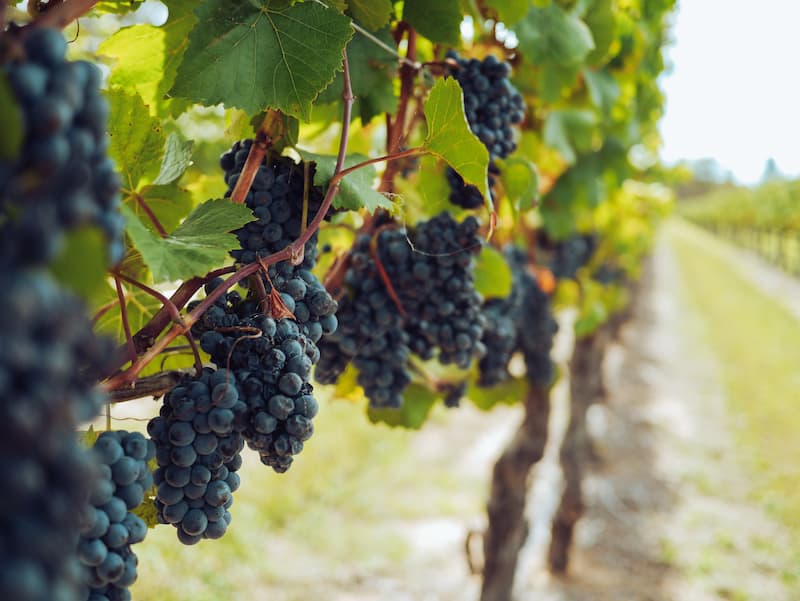
So, What's the Ideal Fertilization for Vines? Achieving a Steady Increase in Alcohol Content
Quality wine relies on numerous factors, with vine fertilization being a key player. This process not only affects the vine’s health but also has the potential to bring about a consistent rise in a wine’s alcohol content. We’ll explore how proper fertilization can lead to a stable increase in grape sugars, enhancing the overall quality of the resulting wine. Join us on this journey as we delve into the relationship between vine nutrition and a wine’s alcoholic profile.
1. Timing: Pre-Flowering. Month: May
BrioSint-2: 5L/ha
PerBoril: 2L/ha
BrioSint-2 (4-20-7) is a foliar fertilizer rich in phosphorus, specifically formulated for the flowering stage. PerBoril provides the necessary boron during the flowering period, preventing cluster shatter and poor grape setting.
2. Timing: Pea-Size Grapes. Months: June/July.
BrioSint-A: 5L/ha
Complex-Mg: 3L/ha
(Repeat treatment every 15-20 days)
BrioSint-A (5-13-13) is a foliar fertilizer with a balanced NPK ratio that aids in grape maturation and berry development. Complex-Mg corrects magnesium deficiencies, a key element in chlorophyll formation and various enzymatic processes.
3. Timing: Onset of Veraison. Months: July/August
BrioSint Potassium: 2L/ha
Complex-Mg: 1.5L/ha
Blaster: 2.5L/ha
pH-Color: Adjust as per pH.
BrioSint Potassium is a product rich in potassium, a crucial element alongside phosphorus for carbohydrate (sugar) and protein metabolism. Blaster stimulates vine metabolic processes. pH-Color is a pH corrector, optimizing the efficiency of the treatment.
4. Timing: Maturation. Month: August
Blaster: 2.5L/ha
(Special treatment for red grape varieties)
Applying Blaster at the start of maturation promotes an increase and balance of substances involved in must coloration and encourages the formation of compounds related to natural plant defense.
How Long Does the Grape Process Take?
The grape cultivation and production process is an annual cycle with several stages. Here’s a summary of the main grape process stages, with an approximate duration:
- 1 -. Dormancy (Winter): During winter, vines are in a dormant state, with no active growth. This stage lasts for several months, usually from fall to spring.
- 2 -. Bud Break (Spring): In spring, vine buds begin to swell and sprout. This process can last from a few weeks to a couple of months, depending on the region and climate conditions.
- 3 -. Blossoming (Spring to Summer): Flowers appear on the vines during spring or early summer. Blossoming is a short process, typically lasting a few weeks.
- 4 -. Fruiting (Summer to Autumn): After blossoming, flowers transform into developing grape clusters. This process can last several months, with the harvest usually in the fall.
- 5 -. Ripening (Summer to Autumn): Grapes go through a maturation period during the warm months of summer and early autumn. The duration of ripening varies depending on grape type and climate but typically spans 30 to 70 days.
- 6 -. Harvest (Autumn): Harvesting involves collecting ripe grapes, typically in the autumn. The duration of the harvest depends on vineyard size and grape variety, usually spanning 2 to 8 weeks.
- 7 -. Winemaking (Autumn and Winter): Once harvested, grapes are processed to make wine. The winemaking process can take several weeks to months, depending on the wine type and techniques used.
After winemaking, wine undergoes an aging process, which can last from months to decades, depending on the wine type. In summary, the annual grape vine cycle spans approximately a year, from winter dormancy to autumn harvest. However, the subsequent wine production process can extend for much longer, based on the producer’s preferences and the type of wine being crafted.
At MORERA, we take pride in offering a range of carefully designed foliar nutrition products to enhance vine cultivation. Our dedication to excellence and quality is evident in every stage of the process, from spring bud break to the golden autumn harvest. Our focus on vine nutrition goes beyond mere agricultural practice; it’s a commitment to crafting exceptional wines.
With MORERA, we invite you to embark on a journey where the art of viticulture meets the science of foliar nutrition, and together, we elevate wine to new heights. Discover how our nutritional solutions contribute to the quality and distinctive flavor of your grapes, transforming the cultivation process into a true liquid masterpiece.
Categories


