
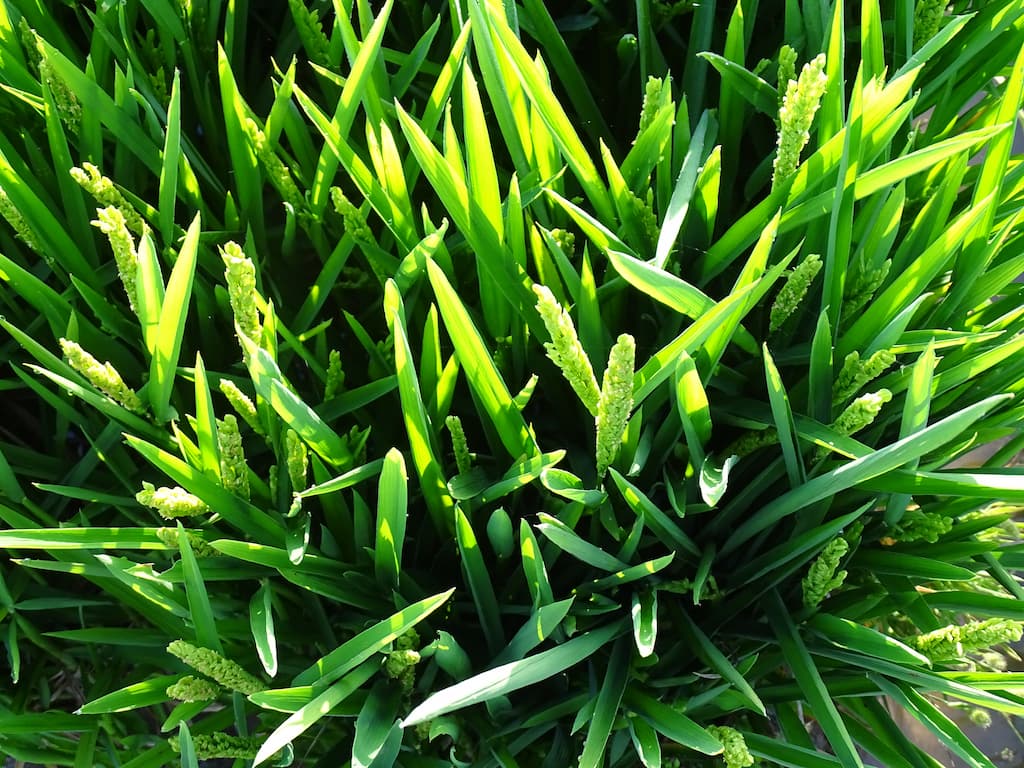

Rice (Oryza sativa) is one of the most important foods worldwide. This crop is the cornerstone of the diet and economy of many countries.
Oryza sativa is native to tropical regions, so it requires constant heat and humidity for its development. However, these climatic conditions, essential for rice cultivation, are also ideal for the growth of weeds, pests, and diseases. One of the main fungal diseases affecting rice cultivation is rice blast, caused by the fungus Pyricularia oryzae or Magnaporthe oryzae.
The fungus Magnaporthe oryzae (formerly known as Pyricularia oryzae), commonly referred to as rice blast, has been considered the main fungal disease of rice due to its widespread distribution and its high destructive potential under favorable conditions, which can result in losses of up to 50-70% in extreme cases. Rice blast affects rice plants and can ruin crops in just a few weeks. The fungus thrives when temperatures range between 22-29°C and relative humidity is high, close to 90%. The most critical time for a rice blast attack is at the start of panicle emergence (booting stage). At this time, the fungus attacks the neck of the rice panicles, cutting off the sap supply. After a few days, the panicle turns white and empty, causing what is known as “neck blast.” The fungus can also damage the grains after the panicle has emerged, causing grain and even spikelet sterility, as well as discoloration that reduces grain quality.
The susceptibility to infection varies among different rice varieties, with Bomba rice, one of the oldest varieties still cultivated today, being one of the most susceptible. Plants of this variety are heavily affected, particularly at the stem nodes, significantly reducing crop yield. The high susceptibility of Bomba rice to rice blast and its low yield per hectare have led to an increase in its price in recent years.
This fungus causes necrotic spots or lesions on the leaves, stems, or panicles. These spots are oval to elongated, yellowish-brown at the beginning of the infection, and later develop grayish centers with brown borders when the fungus sporulates.
Controlling this disease is challenging due to the scarcity of authorized fungicide products, the difficulty of early detection of the infection, and the potential for the fungus to develop resistance to the active ingredients in fungicides. In addition, the continuous restrictions and bans on the use of phytosanitary products by the European Union, such as the ban on Tricyclazolea highly effective fungicide against rice blast since 2016, complicate control efforts further.
Control methods to reduce the infection by this fungus should be adapted to the agronomic conditions of the crop (sowing time, fertilization, variety, etc.), as well as to the climate. The critical infection stages are:
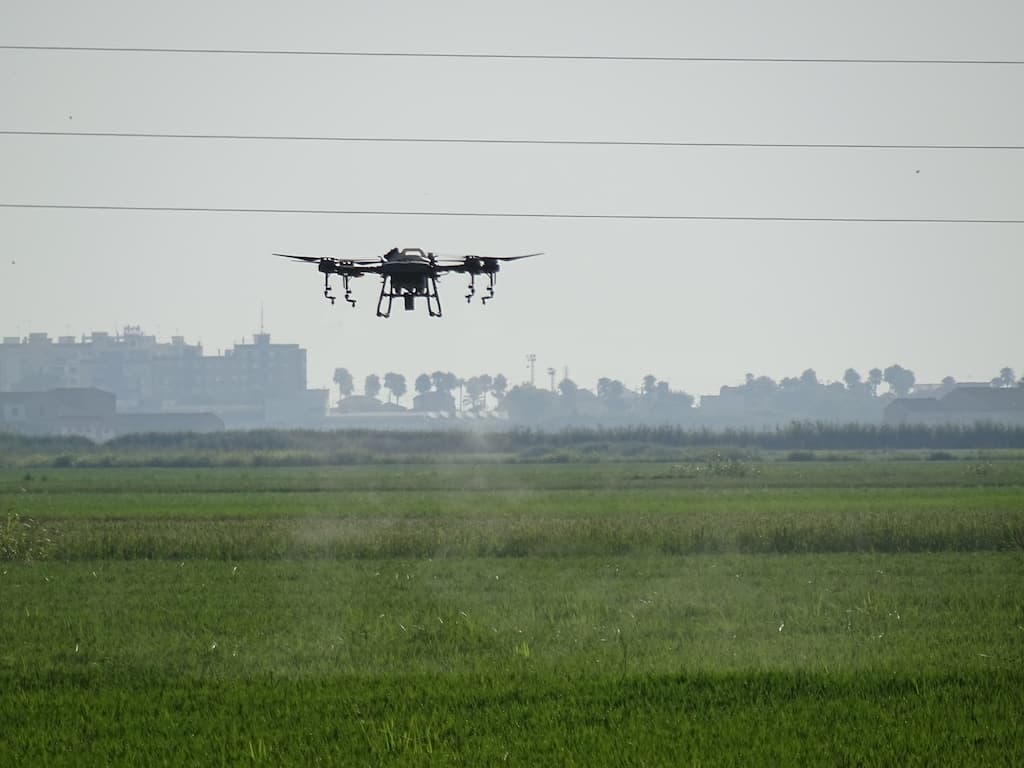
Knowing the critical infection periods, the Valencian Institute of Agricultural Research (IVIA) recommends applying fungicidal treatments with authorized phytosanitary products when the first signs of disease are observed on the leaves.
To prevent or reduce the occurrence of Magnaporthe oryzae, several cultural measures can be followed, such as:
As we have seen, Magnaporthe oryzae represents one of the most significant challenges for agriculture worldwide, particularly in regions where rice is a staple food. Therefore, given its infectious characteristics and the adaptability that complicates its control, ongoing research and the development of new management strategies are necessary to ensure the sustainable production of rice in the coming years.
Categories


