

The avocado, that delicious and creamy fruit with an intense green color, has captivated the palates of people all over the world. Its origin dates back to the ancient civilizations of Mesoamerica, where the Aztecs considered it a symbol of fertility and life. However, today, the avocado has become a widely appreciated food for its nutritional properties and its versatility in the kitchen. But not only that, it has also achieved impressive economic importance in the global agricultural landscape.
Avocado cultivation has experienced remarkable growth in recent decades and has spread to different countries around the world. Although Latin American countries such as Mexico, Peru, Chile and Colombia have historically been the largest producers, other regions such as the United States, Spain, Israel, South Africa, Kenya and Australia have also joined large-scale production.
The United States, in particular, has experienced a significant increase in domestic production and has become one of the world’s top avocado consumers, especially during events like the “Super Bowl,” where guacamole consumption skyrockets.
There are numerous varieties of avocado, each with its own distinctive characteristics. Some of the most common and popular varieties worldwide are: Hass, Fuerte, Bacon, Pinkerton, Reed and Zutano, among others. The Hass variety, in particular, is the most demanded in the market due to its rough skin, its creamy pulp and its exquisite flavor.
Each variety has different sizes, shapes, and flavors, allowing growers to offer a wide range of choices for consumers and adapt to different growing conditions.
Avocado is a crop that requires certain specific conditions to thrive. In general, it prefers warm, subtropical climates, with average temperatures between 20°C and 30°C. It is also sensitive to frost and prolonged drought. As for the soil, the avocado prefers well-drained soils rich in organic matter.
Irrigation is essential, especially in the early stages of growth, and must be managed carefully to avoid waterlogging. Direct sunlight is also crucial for proper tree development and optimal fruit production.
To promote the sustainability of the crop, responsible agricultural practices are being implemented, such as the use of efficient irrigation systems and proper pruning techniques.
This is where the following products play an important role:
In fact, when we talk about healthy growth, we mean the BrioSint® family:
The BrioSint® range is a family of NPK fertilizer products formulated in a hydrocarbon medium, with special adjuvants that facilitate the penetration, translocation and assimilation of both macronutrients and trace elements that accompany each of the products.
There is a BrioSint® product, with a different NPK balance, suitable for each of the phenological stages of the plants, which means that all the special nutritional requirements of each of the stages of the crop’s biological cycle are fully covered. This makes them behave more like a biostimulant than a nutrient.
The BrioSint® range are products with a low salt index, they do not cause stress in the plant, they are of high purity and high solubility. They can be applied both by foliar and root application and are formulated to adapt to the needs of a wide variety of crops.
In the last phases of the crop, you cannot miss our star product, a fertilizer solution based on the organometallic complex of Copper NutriProtector. Talosint® hortiplus helps the plant to reduce external biotic stress.
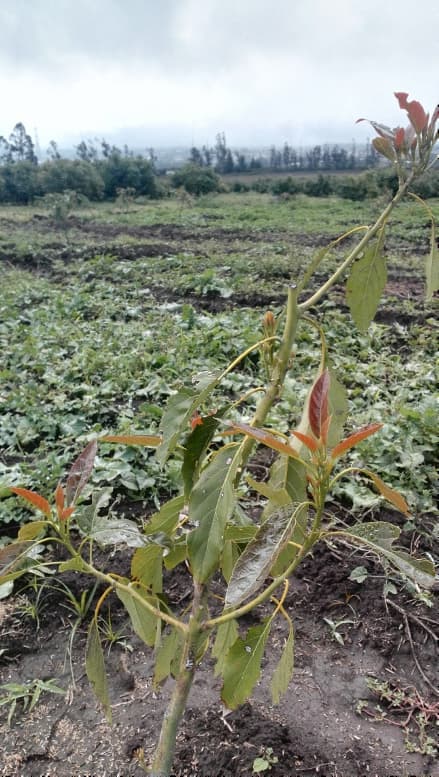
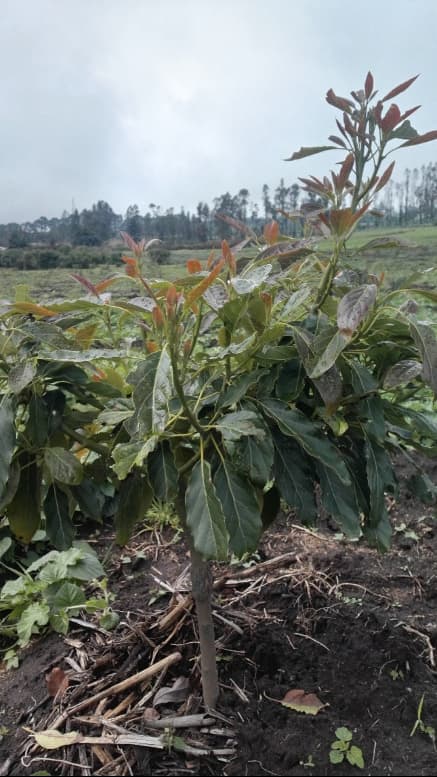
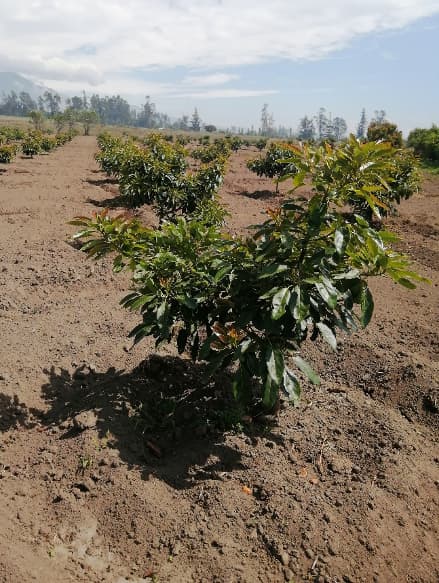
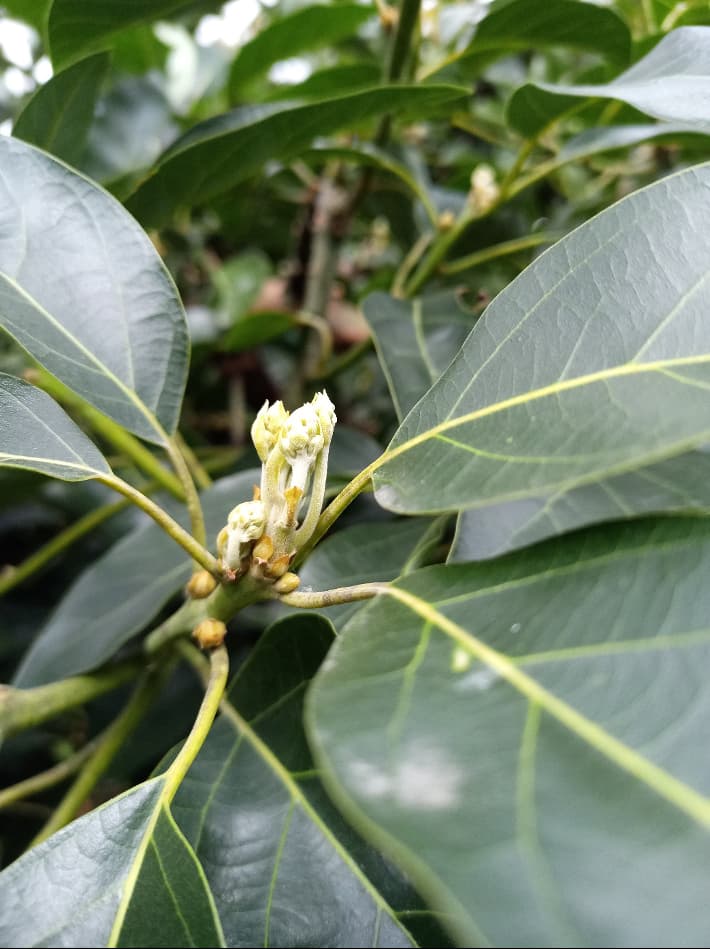
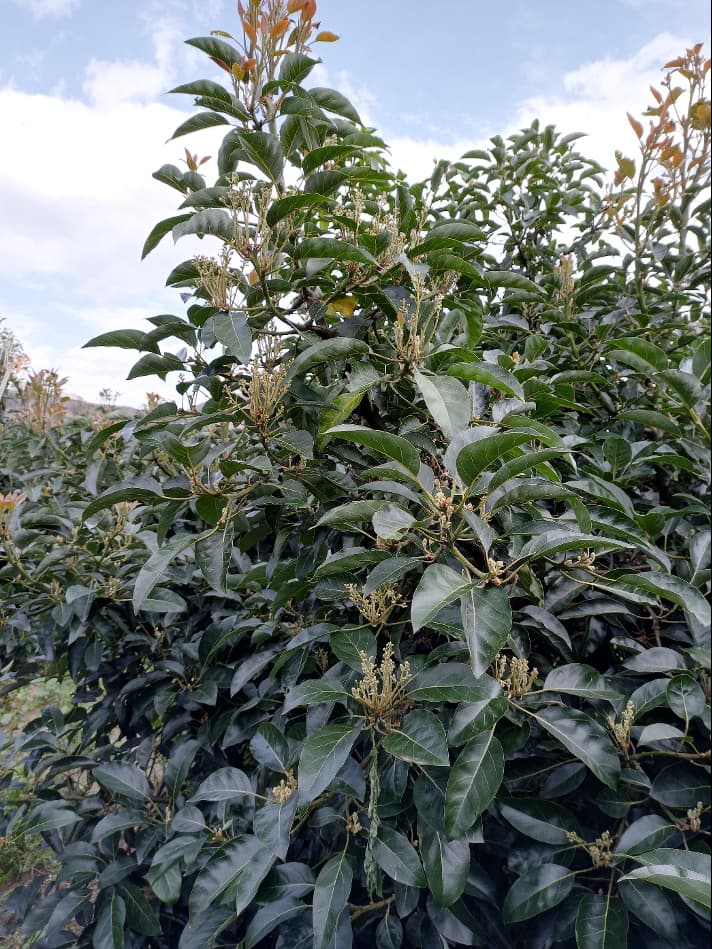
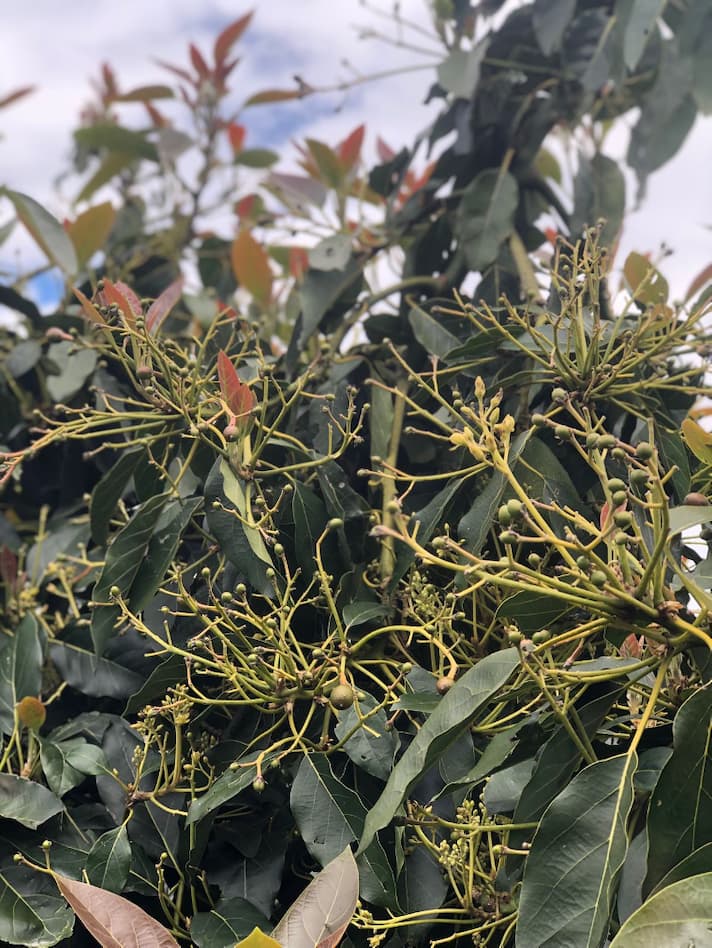
**Images taken by the technical department of "MORERAECUADOR, S.A.":
Avocado cultivation presents significant opportunities due to growing global demand and expanding markets, but also faces challenges related to growing conditions, disease and pest control, and environmental impacts. Technological advances and the adoption of sustainable practices will be essential to seize the opportunities and overcome the threats facing the avocado industry.
In the context of the threats and weaknesses faced by the avocado crop, it is essential to have the assistance and support of companies specialized in agricultural solutions, such as “MORERA”. With more than 57 years of experience as manufacturers of fertilizers and solutions for agriculture, “MORERA” is positioned as a strategic ally for farmers. Our experience and knowledge in the development of innovative agricultural products allow us to address challenges such as climate sensitivity, disease and pest control, and production optimization. Thanks to the solutions provided by “MORERA”, farmers can improve their crops, increase plant resistance and obtain more accurate forecasts, thus contributing to the sustainability and long-term success of the avocado industry.
The avocado is a very versatile fruit that offers a variety of products and by-products that can be obtained from its processing.
Products:
By-products:
Avocado is a valuable and usable fruit in multiple ways. Both the main products and the by-products offer a wide range of applications in the food, cosmetic and energy industries, making it a valuable crop for the economy and human well-being.
Categories


